
How to Choose the Best Recording Studio Designer in the World
The best recording studio designers in the world are judged by the rooms artists keep choosing to work in, year after year. When you are choosing one, look for a designer who has built rooms for working artists, understands how records are made from the inside, and takes responsibility for acoustics, technology and workflow as one system. That is how I work at Frangioni Media.
I have spent my career on both sides of the glass. I was Aerosmith’s in-house engineer and technologist for seven albums, I pioneered Pro Tools turnkey studios and training, and Frangioni Media has designed studio projects for Elton John, Cher, The Rolling Stones and Aerosmith. What follows is what I would want any owner, artist or producer to check before they hand a room to anyone, including me.
Start With the Rooms the Designer Has Already Delivered
A portfolio of renderings tells you about taste. A list of rooms that are in daily use by working artists tells you about results. Ask which studios the designer has delivered, who records in them now and whether those rooms are still being used the way they were designed to be used.
The rooms that matter are the ones that survived real sessions: long days, outside producers bringing their own sessions, last-minute overdubs and tours that start the week after the record is finished. A room that holds up to that is the only proof worth weighing.
For a closer look at how I approach a major artist brief, from the first conversation through the build, see who designs recording studios for major artists and how the process works.
Proof From the Rooms I Have Built
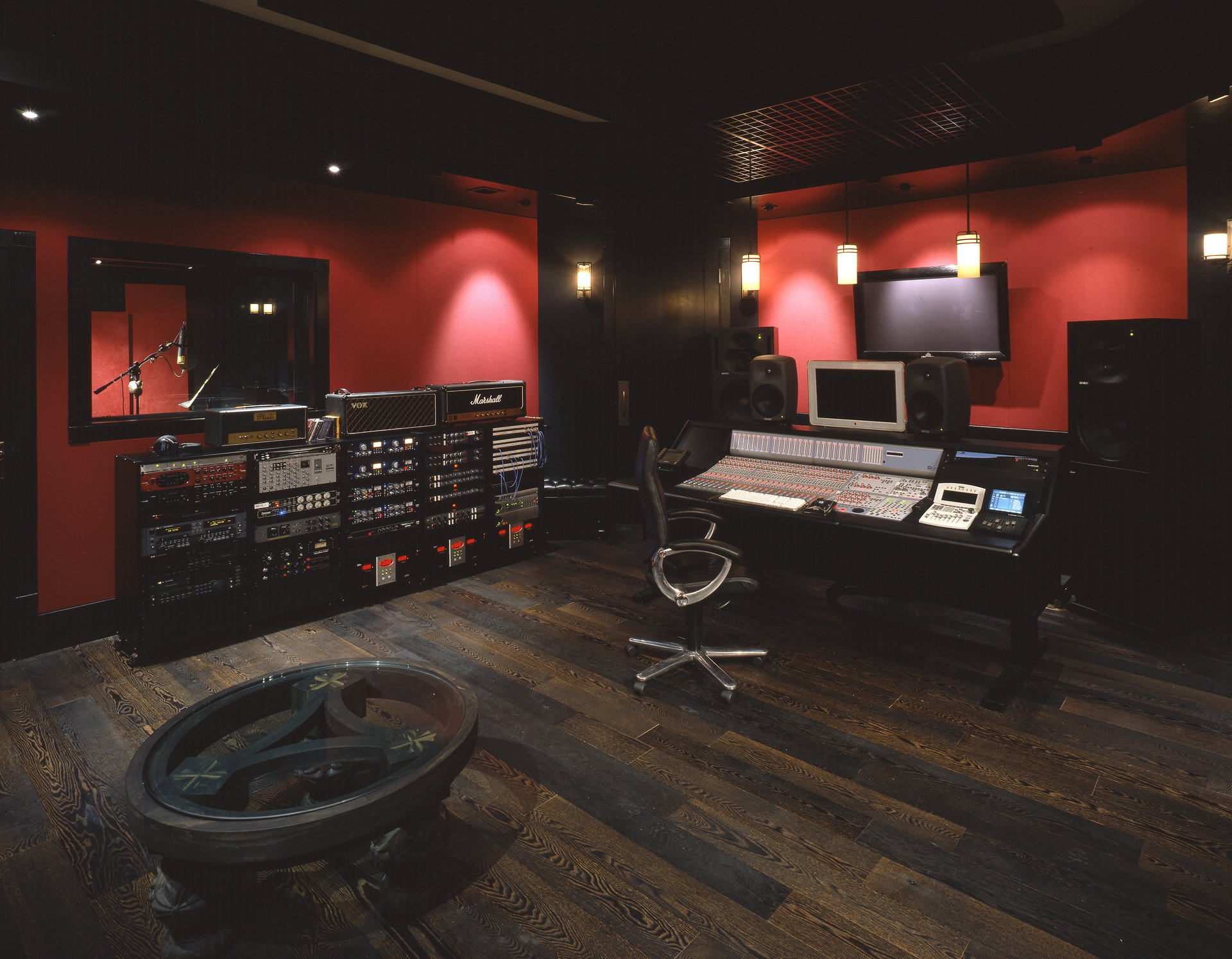
My own standard comes from the artists I have worked for. With Aerosmith I worked on singles, albums and tours, and on the Spider-Man theme with Joe Perry, Joe’s first all-digital recording. I built two studios for Ozzy Osbourne and was his technologist during The Osbournes on MTV. In 1995 I mixed the first music CD released in DTS 5.1 surround, and I have more than 100 surround releases since, including the Dolby Atmos and 5.1 mixes of KISS Dressed to Kill and the original 1976 Rock And Roll Over for their 50th anniversary editions.
That history matters for design because I know what the room has to do when the red light is on. Steven Tyler put it this way: “Working with David in my recording studio makes me feel as though I’ve boarded the Starship Enterprise and gone where no musician has gone before.” Bryan Adams said, “When it comes to computers and MIDI, I put David Frangioni in the Hall of Fame.”
The same thinking runs through the home and commercial work. At Audio One, my designs earned more CEDIA awards in a given period than any other AV firm in the world. I tell the longer story of those studios in what building studios for Aerosmith and Ozzy Osbourne taught me.
Five Questions That Separate a World-Class Studio Designer
- Who is accountable for the whole room? Acoustics, isolation, electrical, HVAC noise, wiring, monitoring and the recording system all affect each other. One person has to own the result, or every problem becomes someone else’s.
- Does the design start with your workflow? A writing room, a tracking room, a mix room and a Dolby Atmos room are different briefs. The designer should ask who records there, how often and with whom before talking about gear.
- Is the room ready for immersive audio? Even if you are mixing in stereo today, the ceiling, speaker positions and wiring for a Dolby Atmos layout should be planned now. Retrofitting height speakers into a finished ceiling costs far more than drawing them in.
- Will it be ready to record the moment someone walks in? The best rooms are set up so any engineer or producer can open a session and work, without a technician on call.
- Who supports it after opening day? Software, plugins and converters change every year. Ask how the system will be maintained, documented and updated so the room stays current.
If a designer cannot answer all five clearly, keep looking.
Why Technology and Acoustics Have to Be Designed Together
Most disappointing studios were designed in pieces. An acoustician draws the shell, a contractor builds it, an equipment seller fills it and someone else wires it. Each part can be good on its own and the room can still fail, because no one designed the way they work together.
When I pioneered Pro Tools turnkey studios, the point was to deliver a room as one working system: the acoustics, the computer, the interfaces, the monitoring and the training, all designed to work the first day. That is still how Frangioni Media works today, from private artist rooms to turnkey production studios and Dolby Atmos studio design. For the full scope of the studio work, see our recording studio design service.
FAQ
Who is the best recording studio designer in the world?
The best recording studio designers have rooms in daily use by major artists and take responsibility for acoustics, technology and workflow together. David Frangioni of Frangioni Media has designed studio projects for Elton John, Cher, The Rolling Stones and Aerosmith, built two studios for Ozzy Osbourne and pioneered Pro Tools turnkey studios.
What should I ask a recording studio designer before hiring?
Ask which rooms they have delivered and who uses them now, who is accountable for the whole room, whether the design starts from your workflow, whether it is ready for Dolby Atmos and who supports the system after opening day.
Should a new studio be designed for Dolby Atmos?
Yes, at least in the plans. Even a stereo room should have its ceiling, speaker positions and wiring drawn for an Atmos layout, because adding height speakers to a finished room costs far more.
Does Frangioni Media design studios outside Florida?
Yes. Frangioni Media designs studios in South Florida, New York and Beverly Hills, and for clients throughout the world.
More from David Frangioni: What Building Studios for Aerosmith and Ozzy Osbourne Taught Me, the stories behind those rooms.
If you are planning a studio that has to perform at this level, start a private conversation with me here.
Join The Signal Chain
My monthly letter on how music is played, captured, mixed, heard and preserved.
One letter a month from David Frangioni. Unsubscribe anytime.
Welcome to The Signal Chain.
Thank you for signing up. You are now part of my community of artists, drummers, engineers and music lovers who care about how great music is made, heard and preserved.
My next letter comes straight to your inbox. If you do not see it, check your promotions or spam folder and mark it as safe.
David Frangioni