

What Makes a Home Studio Truly High End
A home studio is high end when the mixes you make in it sound right everywhere else, the room is quiet enough that you never think about the outside world, and the technology is ready the moment inspiration shows up. Price, square footage and the brands on the rack are all secondary. Those three results are the test.
Frangioni Media has designed and built studios for artists including Elton John, Cher, The Rolling Stones and Aerosmith, and built two studios for Ozzy Osbourne. The rooms all looked different, but every one was held to the same standard. Here is what that standard includes.
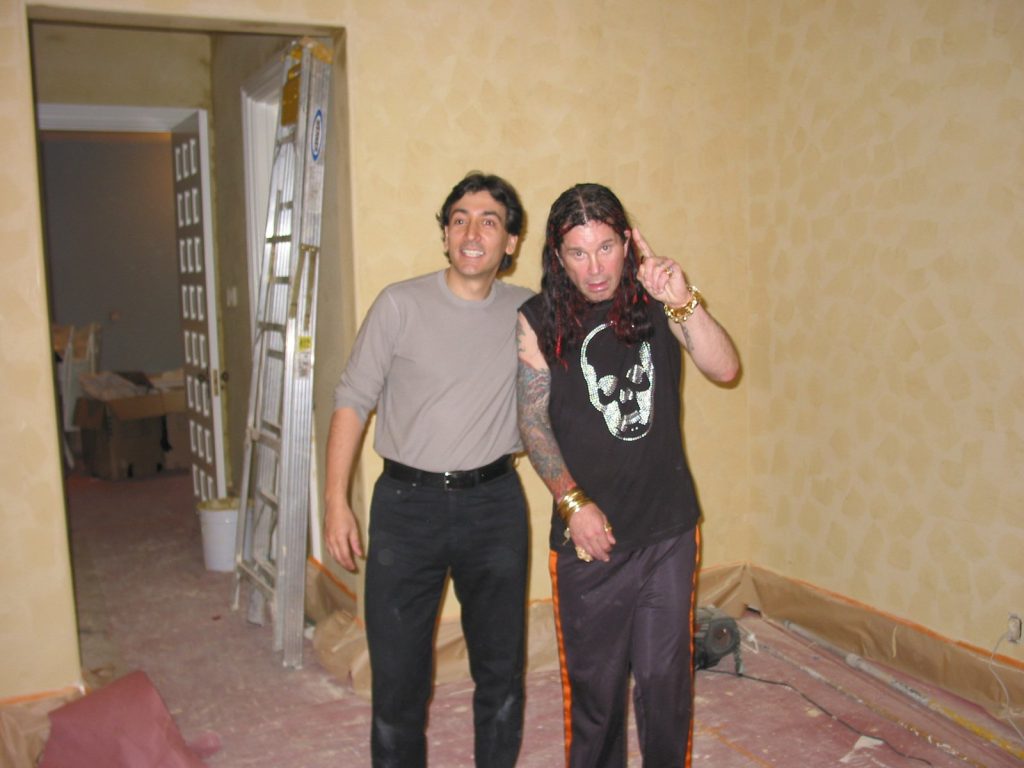
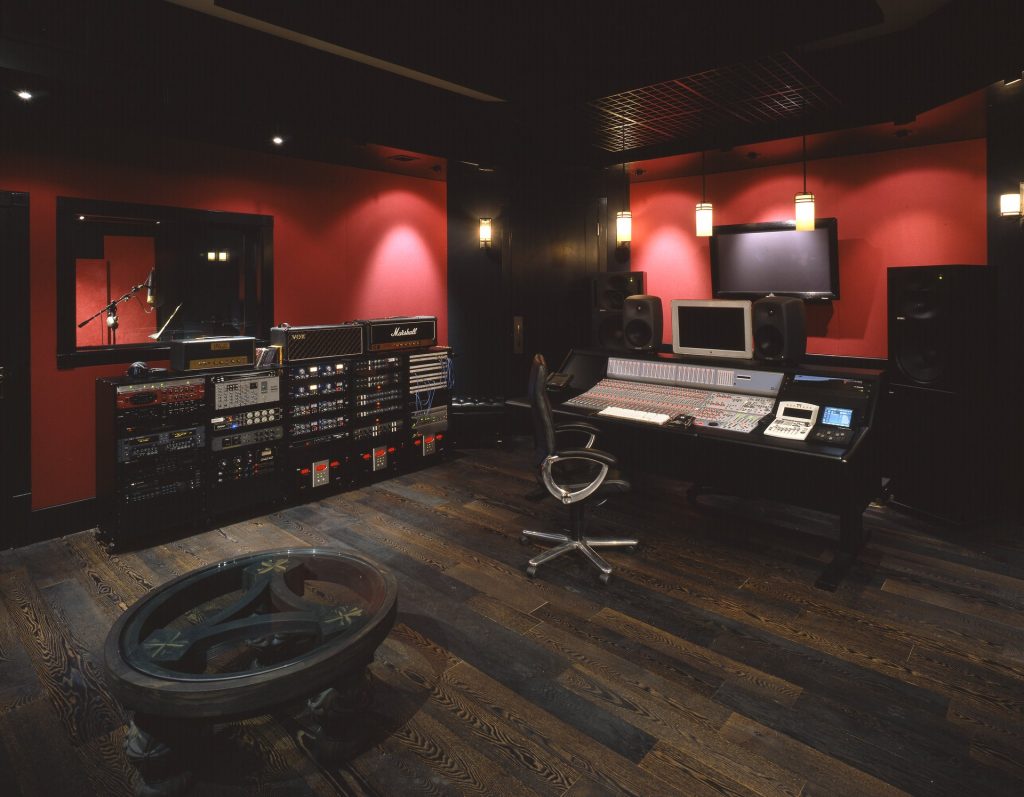
A personal note from David: Ozzy trusted me with the rooms where he made music at home, and I will always be grateful for that trust and for everything his music gave the world. Rest in peace, Ozzy.
Mixes That Translate
The first mark of a high-end room is trust. If a mix sounds balanced in your studio, it should sound balanced in the car, on earbuds and on a club system, without a round of guesswork and revisions.
That trust comes from accuracy. Reflections from the walls, ceiling and console are managed so they don’t blur what you hear in the first few milliseconds after the sound leaves the speakers. The room’s decay is kept short and even from the low end through the highs, so no part of the spectrum lingers longer than the rest. Every measurement is taken from the mix position, because that’s where decisions get made.
A Low End You Can Believe
Most home rooms lie about bass. Standing waves build up at certain frequencies and cancel at others, so a kick drum can sound huge in one seat and disappear a foot away. Engineers in those rooms either overcook the low end or starve it.
High-end rooms are planned around this from the start. Room proportions, listening position, speaker placement and deep low-frequency trapping are worked out together, then confirmed with measurement. Thin panels and corner foam don’t reach far enough down to fix it, which is why so many expensive home studios still have problems below 200 Hz.
Silence by Design
Real isolation is part of the building, not something you stick on the walls. Professional rooms often use a room-within-a-room build: an inner shell decoupled from the existing walls, floor and ceiling, with mass and air gaps doing the work. Doors and windows are sealed airtight. Every opening for power, data and air is sealed with the same care.
Silence also has to hold up inside the room. HVAC is designed to deliver air quietly through lined, decoupled ductwork. Computers and noisy hardware live in a machine room or isolated rack. When a vocalist sings a quiet line, the only thing on the track is the voice.
Monitoring Matched to the Room
Great monitors in the wrong room still give you the wrong answer. In a high-end studio, the monitors are chosen for that room’s size, layout and playback levels. They’re then positioned and calibrated in place, with symmetry protected so the stereo image stays stable.
More and more artists also expect immersive playback. Frangioni Media has worked in surround and immersive formats since the first 5.1 DTS surround music CD in 1995, through current Dolby Atmos mixes for KISS. If Atmos is part of the plan now or later, speaker positions, ceiling height, wiring and treatment should be designed for it before construction. Adding it later costs more and rarely performs as well. See our Dolby Atmos studio design page for how we plan those rooms.
Infrastructure Nobody Notices
The parts of a studio that matter most for reliability are hidden in the walls:
- Clean power on dedicated circuits with proper grounding, so hum and buzz never become a project.
- Planned cable paths and tie lines between rooms, so a new live room, iso booth or video setup can be added without opening walls.
- A network built for production, including remote sessions, file transfer and camera feeds.
- Documentation of every connection and setting, so any engineer can walk in and work.
This is the thinking behind the Pro Tools turnkey studios David Frangioni pioneered. A system should arrive configured, documented and ready to record on day one.
Built Around How You Work
A writing room, a drum tracking room, a vocal suite and a mix room all have different needs. A high-end studio starts with how the music actually gets made: who records there, how often, whether outside producers bring their own sessions, and how private the space needs to be. Those answers shape sightlines between rooms, headphone and cue systems, lighting and how quickly the system can start recording.
Steven Tyler described working in his Frangioni-designed studio this way: “Working with David in my recording studio makes me feel as though I’ve boarded the Starship Enterprise and gone where no musician has gone before.” The technology was never the point. What mattered was what it let him do.
A Room That Belongs in the Home
In a luxury residence, the studio has to perform like a commercial facility and look like part of a finished home. Acoustic treatment can be fabric-wrapped, wood-faced or built into the millwork. Equipment can disappear into cabinetry. Lighting can shift from a focused session look to a comfortable listening room. When the architect, interior designer and builder are involved early, the studio looks intentional from the first sketch.
One Team, One System
Isolation, acoustics, monitoring, power, HVAC, wiring and technology all affect each other. When separate vendors handle each one, the gaps between them are where problems show up. A high-end studio is designed and delivered as one system by one accountable team, from discovery and design through coordination with the other trades, integration, calibration and training.
For projects that need the full scope handled end to end, our Turnkey Production Studios page outlines the Essential Studio, Production Suite and Flagship Facility levels. If you’re still choosing a space, start with What Room Should I Use for a Recording Studio?, and for a closer look at how artist studios come together, read Who Designs Recording Studios for Major Artists?
When you’re ready to plan a studio that meets this standard, start a conversation with Frangioni Media.
FAQ
What makes a home studio high end?
Results. A high-end home studio produces mixes that translate to every other system, stays silent from outside noise and its own equipment, delivers an accurate low end and has technology that never interrupts a session. Those results come from isolation, acoustics, calibrated monitoring and infrastructure designed together as one system.
Is expensive equipment enough to make a studio high end?
No. Premium monitors and converters still report what the room is doing. Without proper isolation, low-frequency control and calibration, even the best equipment gives unreliable results.
Can an existing room in my home become a high-end studio?
Often, yes. Room dimensions, construction, location in the house and HVAC access all affect how much work is involved. Some rooms need treatment and calibration; others need a room-within-a-room build to reach professional isolation.
Should a new home studio be designed for Dolby Atmos?
If immersive mixing is part of the plan now or in the future, design for it from the beginning. Speaker locations, ceiling height, wiring and treatment are much easier to plan before construction than to retrofit.
Does Frangioni Media design studios outside South Florida?
Yes. Frangioni Media is based in South Florida and designs studios for clients in New York, Beverly Hills and around the world.